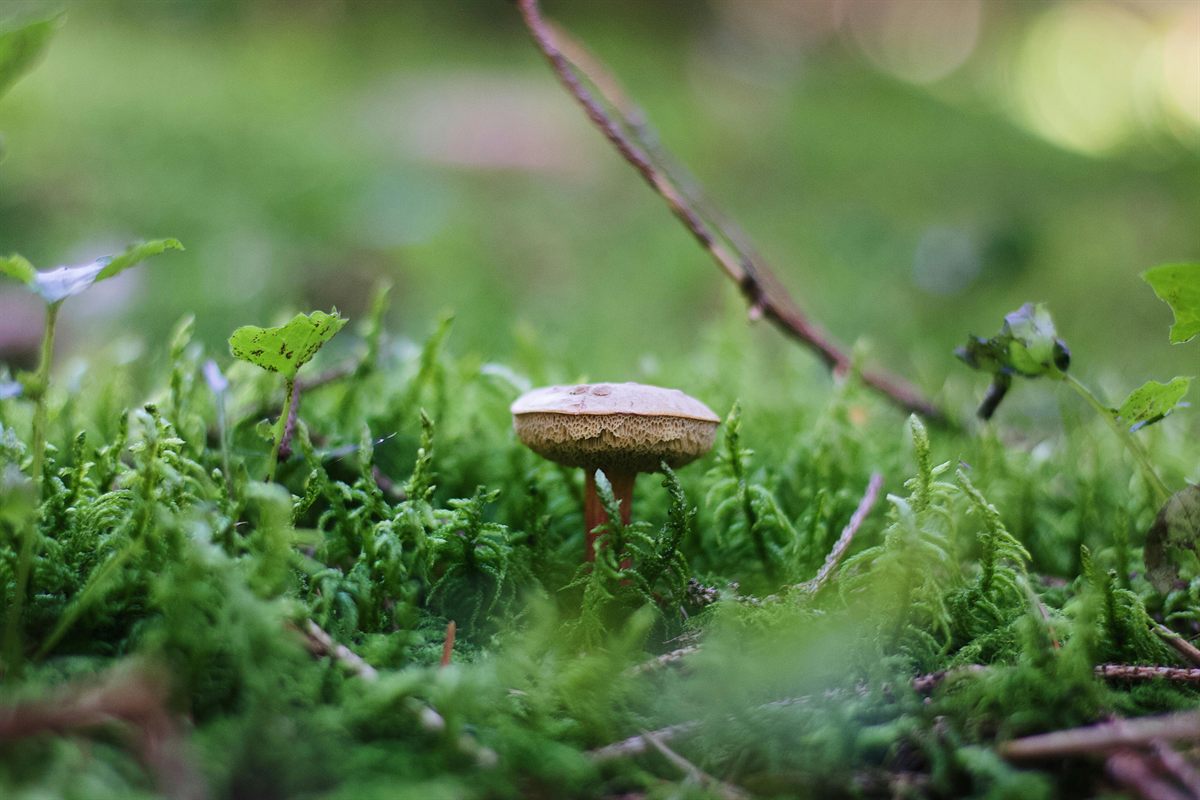
Close-up woodland mushroom in soft natural light
GrowingMushrooms

Mushrooms FAQ

This FAQ explains why the site grows from tissue culture rather than spores, and how cloning, spawn, and predictable traits fit together in practice. It works as a practical starting point for readers new to cultivation language.

Read article
Mushrooms

Hemlock Reishi 101: History, Benefits, and Uses

Hemlock Reishi is a northern forest species associated with conifer wood, especially hemlock, and it is often discussed separately from warmer-climate Reishi. That distinction helps readers connect species identity, habitat, and host trees more clearly.

Read article
Mushrooms

Chaga 101: History, Benefits, and Uses

Chaga stands apart because the material commonly gathered is a dense sterile growth on birch rather than a typical mushroom cap. The article explains host trees, forest context, and the preparation traditions that make it such a widely discussed fungus.

Read article

Frequently Asked Questions

What kinds of mushrooms are covered on Wild Branch Mushrooms?
Wild Branch Mushrooms covers species profiles, educational guides, and reference articles on mushrooms such as Reishi, Hemlock Reishi, Chaga, Turkey Tail, and King Stropharia, along with related growing and food content.
Are these mushroom pages meant to provide medical advice?
No. These pages are educational reference articles only. They discuss history, habitat, traditional use, and cultivation context, but they are not medical advice and should not replace professional guidance.
Why do some mushroom articles focus on history and traditional use?
Historical and traditional context helps explain why certain mushrooms became well known in cultivation, food writing, and medicinal literature. The goal is to present that context in an educational and readable way.