
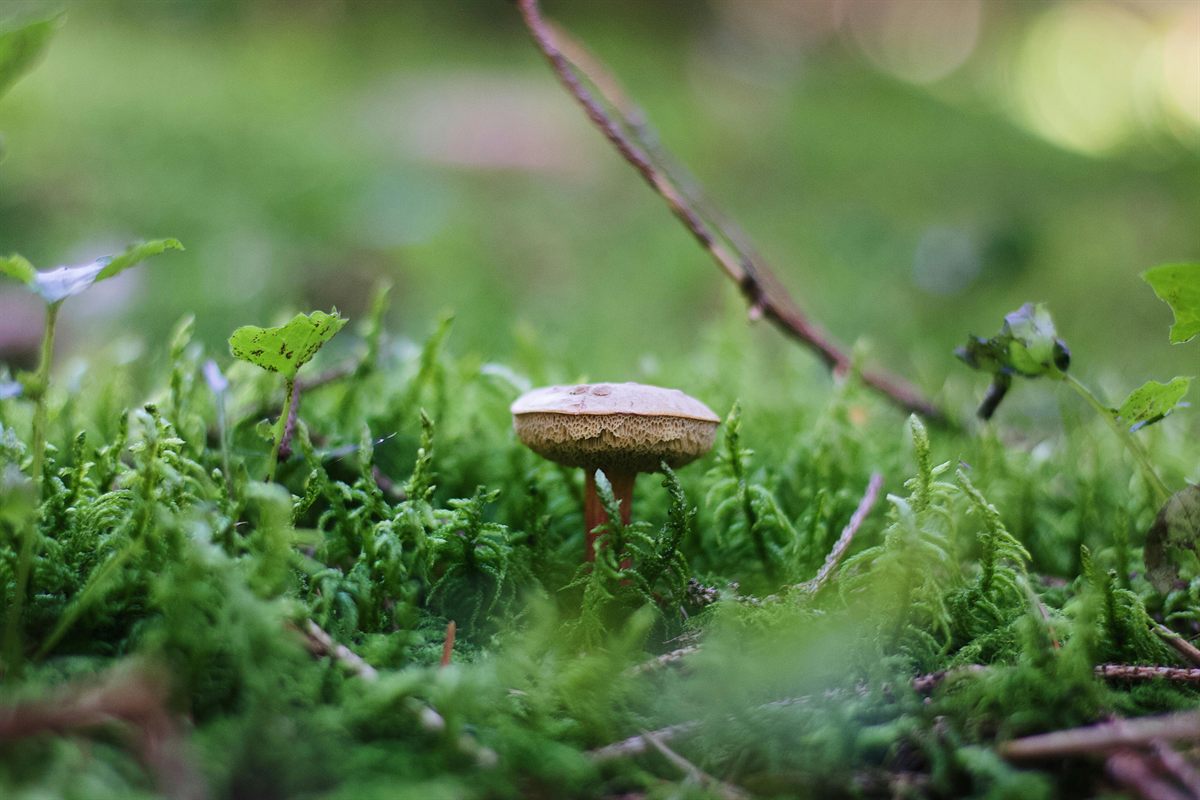
A Mulch-Loving Garden Mushroom
King Stropharia is best known as a mushroom of wood chips, garden paths, straw-rich beds, and other managed spaces where woody debris stays damp and loose. It can appear in parks, orchard rows, vegetable beds, and landscaped edges far more readily than in undisturbed forest interiors.
That habit is part of what makes the species so appealing to growers. It fits naturally into outdoor projects that already use mulch, compost, or wood-heavy organic matter.
Habitat and Growing Conditions
Any landscape that is mulched with wood debris can become suitable habitat for King Stropharia. Moisture, airflow, and contact with fresh or aging chips all play a role, and the mushroom often performs best where a bed can settle in over time rather than dry out quickly.
Because it thrives in cultivated ground, people often encounter it in gardens before they ever see it in the wild. That makes it a practical bridge species for beginners who want to move from reading about mushrooms to actively growing them outdoors.
Why People Cultivate It
Growers like King Stropharia because it is large, edible, and forgiving in outdoor beds. Once established, it can help turn wood chips into richer organic matter while also producing mushrooms in a place that is easy to monitor.
It is also one of the more approachable species for people who want to experiment with low-tech outdoor cultivation. Instead of building an indoor fruiting room, they can often work with a shaded bed, fresh mulch, and a layer of spawn.
Kitchen and Landscape Uses
In the kitchen, King Stropharia is appreciated as an edible mushroom with a hearty texture when harvested young and in good condition. In the garden, it is valued just as much for the way it settles into mulch and participates in a broader outdoor system.
That combination of practical cultivation and useful harvest is why Wine Caps remain one of the most talked-about outdoor mushrooms for gardeners and small-scale growers.
Continue through the related mushroom profiles for more species and habitat reading.