
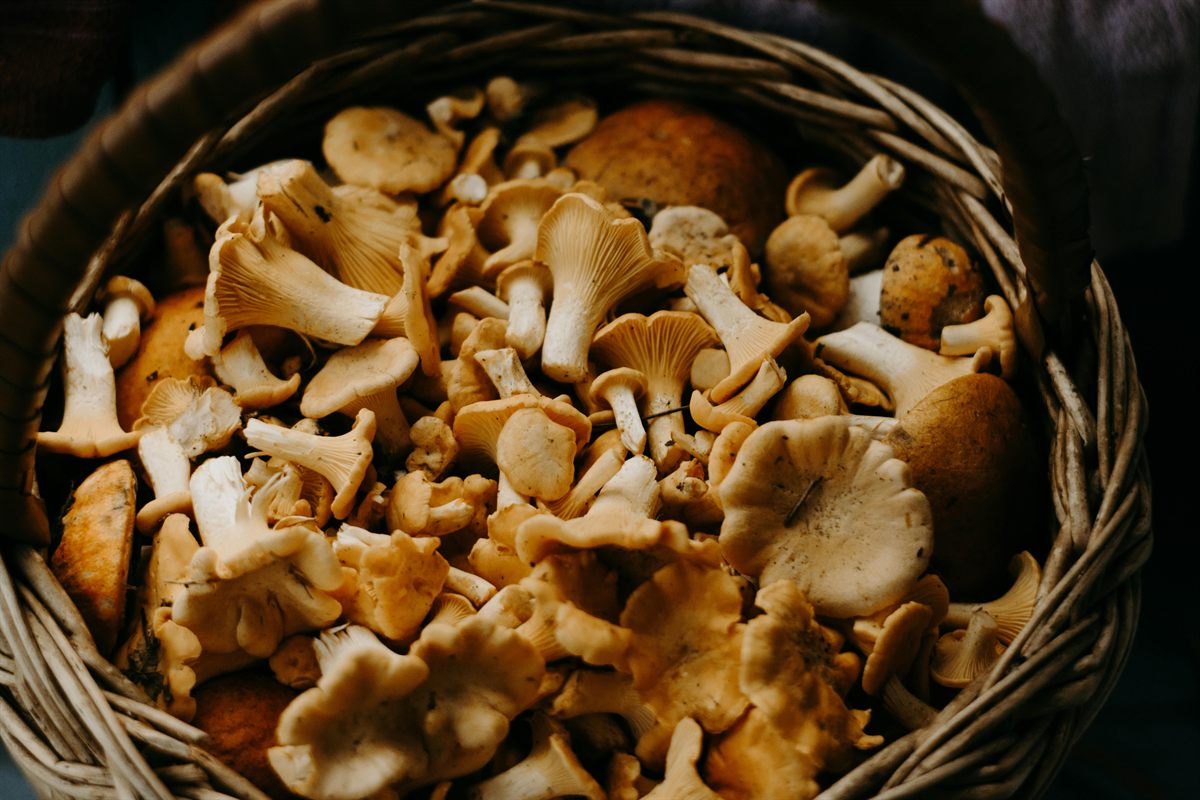
Why Dry Mushrooms
Fresh mushrooms are highly perishable, especially when they are harvested in quantity or gathered over a short flush. Drying gives you a way to preserve the harvest, reduce waste, and keep a useful ingredient on hand long after the fresh season has passed.
For many home cooks and mushroom growers, drying is the easiest preservation method because it requires little more than steady airflow, gentle heat, and patience.
Which Mushrooms Dry Best
Many cultivated and wild mushrooms can be dried successfully, but texture matters. Thin or moderately firm mushrooms often dry very well and rehydrate predictably, while very soft specimens can become leathery or lose quality if they are held too long before drying. Clean, fresh mushrooms usually give the best result, because bruised or aging harvests tend to darken and lose aroma more quickly in storage.
For home preservation, the main rule is to start with sound material and process it soon after harvest. Drying works best when it is treated as a way to preserve peak condition, not as a last attempt to save mushrooms that are already declining.
Drying Methods
A dehydrator is the most straightforward option because it provides steady low heat and airflow, but an oven set very low can also work if the door is cracked slightly and the mushrooms are watched closely. The goal is not to cook them deeply, but to remove moisture until they are fully dry and brittle.
Slices or evenly sized pieces dry more predictably than large whole mushrooms. Clean mushrooms first, trim away poor sections, and avoid piling them too thickly so air can move around the surfaces.
Storage That Holds Up
Once dried, mushrooms should cool completely before being packed away. Store them in airtight jars or sealed containers, out of light and away from humidity. If they soften again in storage, they need more drying time before they are sealed for the long term.
Labeling jars by species and date makes the pantry much easier to manage, especially if you dry more than one kind over the course of a season.
Knowing When They Are Dry Enough
Mushrooms meant for storage should feel fully dry all the way through, not flexible or cool with hidden moisture in the center. Small pieces may snap, while thicker pieces may feel very firm and brittle rather than soft. If there is doubt, it is better to dry a little longer than to seal residual moisture into the jar.
That final step matters because even well-dried mushrooms can soften again if stored in a humid room or packed before they have cooled completely. Good drying and good storage work together; one without the other shortens shelf life.
Simple Ways to Use Them Later
To use dried mushrooms, soak them in warm water until they soften, then slice or chop as needed. The soaking liquid can also be strained and used in soups, sauces, broths, or grain dishes, since it often carries a concentrated mushroom aroma.
Once rehydrated, dried mushrooms can be added to soups, rice dishes, sauces, stuffing, braises, or pan-cooked meals where deep mushroom flavor is welcome. Some cooks also grind thoroughly dried mushrooms into a powder for seasoning blends, broths, or savory finishing mixtures. In that form, even a small amount can add depth to everyday cooking.
That versatility is what makes drying such a practical preservation method. Instead of trying to recreate the exact texture of a fresh mushroom, dried mushrooms become a pantry ingredient with their own strengths and uses.
Explore more food-oriented mushroom articles in the related section.